In the 1960s, the concept of ergonomics began to evolve further, as designers and engineers collaborated to create chairs that catered not just to comfort, but also to productivity and well-being. Pioneering figures like Hans Wegner and Charles Eames introduced innovative designs that combined aesthetics with ergonomics. They emphasized the natural contours of the human body, leading to the birth of chairs that provided enhanced lumbar support and adjustable features for better posture.
The 1980s marked a dramatic shift with the advent of high-tech materials and the integration of research findings into chair design. Manufacturers began to experiment with molded foam and flexible structures to create seats that conformed to the user’s shape. This decade saw the launch of iconic designs, such as the Humanscale Freedom chair, which offered a new level of adjustability and introduced the idea of dynamic seating, allowing movement while seated.
As the new millennium approached, the focus on ergonomics escalated, fueled by an increasing prevalence of sedentary lifestyles and associated health issues. Ergonomic chairs transformed into a vital tool in office environments, with features like tilt mechanisms, armrest adjustments, and even memory foam padding. Companies began to prioritize employee comfort and productivity, and ergonomic chairs became a staple in modern workplaces, redefining how we think about seating.
Key Innovations in Chair Comfort
The journey of ergonomic chairs is marked by numerous innovations that have significantly enhanced comfort. The introduction of adjustable features stands out as one of the most pivotal developments. Early designs often lacked the ability to accommodate various body types, but with the advent of adjustable seat heights, backrests, and armrests, users could customize their chairs to fit their individual needs. This adaptability allows for better posture support, reducing strain on the back and neck during extended sitting periods.
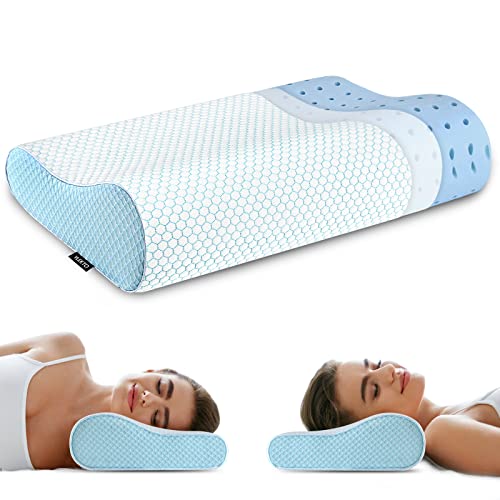
Another major innovation is the use of advanced materials. Traditional wood and metal chairs have evolved into sophisticated designs utilizing memory foam and breathable mesh fabrics. Memory foam conforms to the body, offering personalized support and alleviating pressure points, while mesh provides ventilation, keeping users cool and comfortable. These materials not only enhance physical comfort but also contribute to a more stylish and modern aesthetic in office spaces.
Additionally, the concept of dynamic seating has revolutionized chair design. Modern ergonomic chairs are now equipped with features that encourage movement, such as a seat that tilts or a backrest that allows for gentle rocking. This promotes active sitting, which has been shown to improve circulation and reduce fatigue. By encouraging users to shift their positions throughout the day, these chairs help combat the negative effects of prolonged sitting.
Finally, the integration of technology into ergonomic chairs is a recent innovation that has transformed user experience. Some chairs now come with built-in sensors that monitor posture and remind users to take breaks or adjust their seating arrangement. These smart features not only foster awareness of one’s posture but also contribute to overall well-being in the workplace. This blend of comfort, adaptability, and technology showcases how far ergonomic chairs have come in their evolution.
Impact on Health and Productivity
The design and function of ergonomic chairs have significant implications for both health and productivity in the workplace. As more people spend long hours at desks, the need for supportive seating has become increasingly clear. Properly designed ergonomic chairs help maintain good posture, reducing the risk of back pain and other musculoskeletal disorders. They provide crucial support to the spine, ensuring that the natural curves of the body are upheld, which can lead to a more comfortable working environment.
In addition to physical health benefits, ergonomic chairs can enhance mental well-being. When employees are comfortable and pain-free, they can focus better on their tasks. This improvement in concentration can lead to increased creativity and higher overall productivity. Studies have shown that individuals using ergonomic furniture are less likely to experience fatigue and distractions, which can contribute to a more positive attitude at work.
Moreover, investing in ergonomic seating has long-term positive effects for organizations. Healthier employees tend to take fewer sick days, ultimately saving companies money on healthcare costs and lost productivity. By promoting a culture that prioritizes ergonomic solutions, businesses not only support their employees' well-being but also foster a more engaged and efficient workforce. As the evolution of ergonomic chairs continues, their impact on health and productivity will likely become even more pronounced.
Future Trends in Ergonomic Seating
As our understanding of health and productivity evolves, so too does ergonomic seating. One of the most exciting future trends is the integration of smart technology into chairs. Imagine a chair that can monitor your posture and provide real-time feedback, alerting you when it's time to shift positions or take a break. These smart chairs could also be connected to apps that track your sitting habits, helping you to develop healthier routines.
Another trend gaining traction is the emphasis on sustainability in the production of ergonomic chairs. Manufacturers are increasingly looking for eco-friendly materials and processes. This shift not only contributes to environmental conservation but also caters to consumers who are becoming more conscious of the materials they use in their everyday lives. From recycled plastics to responsibly sourced wood, the future of ergonomic seating will likely reflect a greener mindset.
Customization is also set to redefine ergonomic seating. Instead of a one-size-fits-all approach, future chairs may offer a range of adjustable features tailored to individual preferences and body types. Users could easily modify seat height, lumbar support, and armrest positioning, ensuring a perfect fit. This level of personalization can enhance comfort and support, leading to better overall health outcomes.
Additionally, as remote work continues to dominate, there will be a growing demand for versatile and portable ergonomic solutions. Lightweight, foldable chairs that maintain ergonomic principles could revolutionize how we set up our workspaces, whether at home, in cafes, or in co-working spaces. This adaptability will allow users to create ergonomic environments wherever they choose to work.